


For parents, a sensory pillow for travel is a tactile comfort item to consider for familiar, screen-free wind-down time away from home. Choose it around your child’s preferences, the product’s age guidance, and your packing space—not a promise of better sleep.
- Choose a sensory pillow for travel by checking age guidance, care instructions, packing space, and your child’s preferences.
- Fill Joy’s Comfort Calm Pillow is a cozy-buddy option, not a treatment or a travel-safety device.
- Try your existing bedtime items before buying something specifically for a trip.
- Keep animal coloring activities optional, and plan where supplies will go afterward.
Why travel comfort planning matters for parents
Travel changes the setting around a bedtime routine: where you sit, where belongings live, and which activities you can realistically bring. A useful packing decision starts with those practical differences, rather than with the idea that a pillow will make an unfamiliar room feel exactly like home.
For your 2026 travel plans, separate something your child enjoys holding from something suitable for sleeping with. Those are different decisions. Product instructions and your child’s age determine appropriate use; a cozy description does not establish suitability for every child or setting.
Fill Joy’s guide to choosing a sensory pillow for cozy bedtime routines provides a related starting point for considering the bedtime setting. This travel guide adds the packing, transport, and destination checks.
You do not need a new purchase to create a small family ritual. A familiar story, a conversation about the day, or an animal drawing can serve as the activity you bring along.
How to choose and pack a sensory pillow for travel
1. Define where you will use the pillow
Start with the trip you are actually taking. A pillow brought for supervised wind-down time in a hotel room has a different job from an item you want accessible during a journey. Write down the intended setting before comparing products.
Use an item you already own to rehearse that setting at home. Sit where you expect to use it, hold it alongside your other belongings, and decide whether it adds something useful. This is a preference check, not a test of sleep or health outcomes.
Choose the job before choosing the product. If your child does not want a pillow during the activity you have in mind, leave it off the packing list.
- Name the setting: accommodation, a relative’s home, or supervised downtime.
- Decide whether the pillow is for holding, displaying nearby, or another instructed use.
- Separate destination use from use during transport.
- Identify an alternative activity that needs no pillow.
2. Check age guidance and instructions first
Before choosing a new item, read the instructions for anything you already plan to pack. Check the stated age guidance, intended use, warnings, and care information. Do not infer suitability from animal styling, product photographs, or the word sensory.
For families traveling with children of different ages, make a separate decision for each child. Something selected for an older sibling is not automatically appropriate for a younger one. A shared packing bag does not make the contents interchangeable.
For your 2026 checklist, keep infant sleep safety separate from cozy bedtime suggestions. American Academy of Pediatrics safe-sleep guidance calls for keeping pillows and other soft objects out of an infant’s sleep space. A travel setting does not change that distinction.
- Read the manufacturer’s age guidance rather than estimating an age range.
- Check warnings and intended-use instructions before packing.
- Inspect an existing item for damage or loose components.
- Keep a pillow out of an infant’s sleep space.
- Follow transport-equipment instructions rather than adding unapproved padding.
3. Match the item to your child’s actual preferences
Begin with what your child already likes touching or holding. Offer an existing appropriate item during a quiet activity and let your child accept it, set it aside, or choose something else. Avoid presenting the pillow as something that must work.
If you are considering a purchase, the Comfort Calm Pillow is described as a soft, cozy buddy for a child to hug during wind-down time. That description supports considering it for the holding-and-hugging role. It does not establish travel dimensions, cleaning methods, or age suitability.
Fill Joy is best for parents considering the Comfort Calm Pillow as a cozy buddy, not a medical aid. Check the product’s instructions against your intended use before deciding whether it belongs in your bag.
The limitation is straightforward: a cozy-buddy description alone cannot answer every travel question. Make the practical checks below rather than treating the product name as a specification.
- Ask whether your child wants something to hold at all.
- Notice which existing textures your child chooses voluntarily.
- Check product dimensions against your available packing space.
- Confirm care instructions before choosing a cleaning method.
- Treat comfort as an individual preference, not a promised result.
4. Rehearse the packing arrangement at home
Use your actual travel bag rather than guessing from its appearance. Pack the other essentials first, then test where the pillow fits. Close the bag normally and check whether you can retrieve the item without emptying everything else.
A practical 2026 packing plan needs a place for the item when your child is not holding it. Think through check-in, meals, bathroom stops, and the journey home. An item that only fits when carried separately adds another thing for someone to manage.
Try a simple arrangement with 1 designated storage spot for the pillow. That is a suggested organizing choice, not a product requirement. If the arrangement feels awkward at home, choose an existing smaller item or skip the pillow.
- Pack the bag with the other items you intend to bring.
- Test access without removing unrelated belongings.
- Assign a storage spot for periods when the pillow is unused.
- Keep food and drinks separate from the item.
- Use a cover or bag only if it suits the product’s care instructions.
5. Pair the pillow with an optional screen-free activity
Start with materials you already have: an animal coloring page, a familiar story, or a conversation about a favorite animal. Choose one activity rather than turning a small bedtime ritual into another full packing category.
For coloring, a useful starting kit is 1 animal coloring page and 1 pencil pouch containing age-appropriate supplies. Adjust that suggestion to your child’s interests and the setting. It is a packing example, not a claim about how much activity a child needs.
Keep the pillow’s role separate from the activity’s role. Your child can color without holding anything, hug an appropriate buddy while listening to a story, or skip both. Nothing needs to become a required sequence.
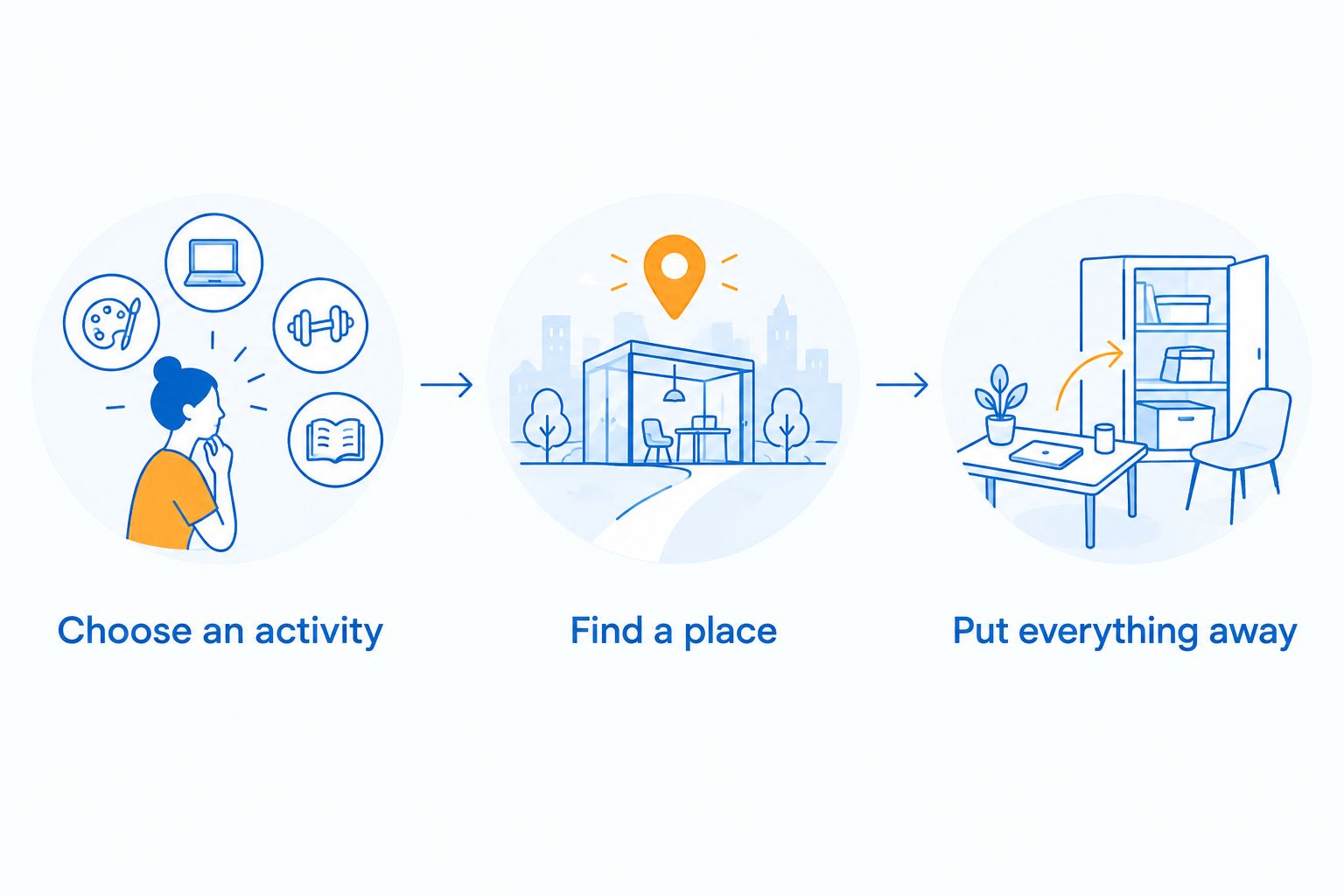
A simple order is: choose an activity, find a suitable place, then put everything away. The ending matters because loose supplies still need somewhere to go when bedtime moves on.
- Offer an animal coloring page or a familiar story.
- Select supplies using their own age guidance.
- Choose a suitable surface for coloring.
- Give your child the option to stop or switch activities.
- Return supplies to their storage spot when finished.
6. Plan the return trip before you leave
Use a written packing list or a note on your phone to record what belongs in the bag. Include the pillow and activity supplies alongside the rest of your belongings. You do not need a separate tracking system for a cozy item.
For a 2026 family packing list, add 2 checks: before departure and before checkout. These are suggested checkpoints, not a guarantee against leaving something behind. Make the list specific enough that another adult can use it without guessing what you meant.
Decide how you will handle an item that needs cleaning. Follow the actual care instructions; do not assume that a soft pillow can go into a washing machine or that its cover comes off.
If the item becomes inconvenient, leave it packed and use your alternative routine. The point is to support a pleasant family moment, not to follow a plan at all costs.
- Record the pillow and supplies on your main packing list.
- Check the intended storage spot before departure.
- Check the accommodation before checkout.
- Follow the stated care method after the trip.
- Note whether you would choose the same arrangement again.
Compare your travel wind-down options
The best option is the one that fits your child’s preferences and your actual bag. A purchase is only one route. Compare the intended use and the extra handling each option introduces before deciding.
| Option | Best for | Practical advantage | Key limitation |
|---|---|---|---|
| Existing appropriate comfort item | Families whose child already chooses a particular item | Lets you rehearse with something you own | Still needs age, condition, care, and packing checks |
| Fill Joy Comfort Calm Pillow | Parents considering a soft, cozy buddy for hugging during wind-down | Its stated description matches a holding-and-hugging role | The description alone does not confirm travel size or age suitability |
| Animal coloring activity | Children who enjoy an optional screen-free activity | Gives you an activity separate from holding a pillow | Requires suitable supplies, a surface, and cleanup |
| Story or conversation without extra objects | Families keeping the packing list simple | Adds no dedicated comfort-item storage | Does not provide a tactile object to hold |
Keep the choices independent. You can bring a pillow without coloring supplies, offer a story without buying anything, or pack an activity and leave it unused. There is no requirement to combine every option.
Common mistakes parents make when packing a travel pillow
Choosing by appearance instead of instructions
An appealing animal design does not establish an age recommendation or safe use. Read the guidance for the particular item and make the decision for the child who will use it.
Treating sensory as a medical promise
The word sensory does not establish treatment benefits for anxiety or sensory conditions. Choose for an intended everyday activity, not an expected health result. Avoid telling your child that a pillow must make them feel a particular way.
Assuming destination use means transport suitability
An item intended for holding during wind-down is not automatically suitable as padding in a car seat or other transport equipment. Follow the relevant equipment instructions and keep those decisions separate.
Packing without an unused-item plan
A pillow needs somewhere to go when your child puts it down. Test that storage arrangement with the full bag, not an empty one, and avoid making a child responsible for carrying an item they did not choose.
Turning the routine into a requirement
A trip can change your child’s interest in an activity. Offer the familiar option, accept a different choice, and keep the evening manageable rather than insisting on completing a prepared ritual.
FAQ
What should I look for in a sensory pillow for travel?
Check the product’s age guidance, intended use, dimensions, care instructions, and your child’s preferences. Then test how it fits in the bag you will actually use.
Is a sensory pillow necessary for a family trip?
No, a sensory pillow is optional. An existing appropriate comfort item, a story, or an animal coloring activity gives you other ways to plan screen-free wind-down time.
Is the Comfort Calm Pillow suitable for my child’s age?
Use the Comfort Calm Pillow’s stated age guidance to make that decision. Fill Joy’s description of a soft, cozy buddy does not establish a specific age recommendation.
Can I put a sensory pillow in an infant’s travel sleep space?
No, keep pillows and other soft objects out of an infant’s sleep space. Follow American Academy of Pediatrics safe-sleep guidance and the instructions for the sleep equipment.
Can a sensory pillow go in a car seat?
Do not add a pillow as car-seat padding unless the car-seat manufacturer permits that use. A comfort-item description does not establish compatibility with safety equipment.
How should I clean a sensory pillow after traveling?
Follow the cleaning instructions for that exact product. Do not assume machine washing, tumble drying, or a removable cover is permitted.
What can I pack with a pillow for a screen-free bedtime activity?
Consider an animal coloring page with age-appropriate supplies or a familiar story. Keep the activity optional and plan where each item will go when finished.
One last thing
Before your next 2026 trip, rehearse putting the pillow away—not just holding it. That small packing exercise answers a practical question a product photograph cannot: whether the item still works for your family when nobody wants to carry it.
A useful travel item needs an easy off-duty plan. If that plan does not work, simplify the bag rather than adding another obligation to the evening.